- Dry conditions are reducing unirrigated potato yield prospects.
- Stored potato quality is limiting packing-grade availability.
- Hot weather is suppressing immediate fresh-market consumption.
- Processing buyers could return as new-crop supply tightens.
- Buyers should assess usable quality rather than headline inventory.
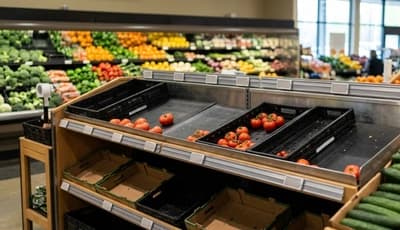
Dry weather is beginning to restrict the availability of Europe’s new potato crop, raising the possibility that buyers will return to the market after months of weak interest. Cooler conditions offered growers some relief during the week ending 22 July, but soils remained short of moisture. Yield potential in fields without irrigation has already been reduced in several production areas.
The supply problem is developing as the old-crop storage season nears its end. Potatoes left in storage are showing more quality defects, leaving packers with fewer lots that meet retail specifications. The usable share of remaining inventories is tightening faster than total stock figures alone would indicate. Buyers assessing supply should separate headline storage volumes from the quantity that can pass grading, appearance and shelf-life requirements.
Demand for fresh potatoes has softened during the hot summer period as consumers have shifted toward salads and lighter meals. This has limited immediate price pressure in the fresh market. The demand slowdown may offer only temporary protection. Reduced crop yields and weaker stored quality can narrow supply later, once normal consumption patterns return and retailers begin preparing for autumn programmes.
Request the Latest Potato Prices Data - Access Price Insights Now
The processing sector presents a mixed picture. Some free-buy potatoes remain in storage after attracting little interest for much of the season. Processed-product inventories also remain high, and reports indicate that some older material is being cleared for anaerobic digestion rather than food use. Continued heat and drought are now threatening the volume of the incoming crop, which could draw processors back to the open market.
Procurement teams should monitor irrigated and unirrigated crop conditions separately because average regional yield estimates can conceal large differences between farms. Contract coverage should also account for quality rejection rates, not just contracted tonnage. Buyers dependent on strict size, skin finish or dry-matter specifications face greater exposure than users able to accept broader grades.
Early discussions with packers and processors can help establish the real volume available for food use. Split deliveries, wider grade tolerances and alternative growing regions may reduce the risk of shortages. Buyers delaying coverage solely because summer demand is weak could face a tighter market once the effect of drought becomes clearer and the remaining stored crop loses further quality.