Udeesha Tomar
AVP - Strategy and Solutions
Leading procurement research solutions across chemicals, materials, and food & beverages, with expertise in price forecasting and market analytics.

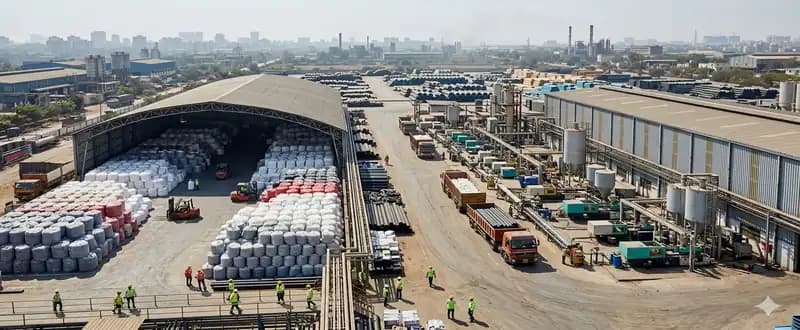
India’s plastic manufacturers are facing a sharp rise in raw material costs as higher polymer prices squeeze margins and force companies to raise prices across a wide range of products. The increase has gathered pace through March 2026, with the fallout now spreading into sectors that depend heavily on plastic-based inputs, including fast-moving consumer goods, automobiles, construction and agriculture. Industry estimates show input costs for plastic producers jumped by 50 to 60 per cent during March, driven by a steep increase in the prices of key crude-linked polymers. Polypropylene, polyvinyl chloride and polyethylene have all recorded strong gains as turbulence in oil markets and supply concerns tied to the conflict in West Asia pushed up feedstock costs.
Polypropylene prices have climbed about 60 per cent during the month, while PVC is up roughly 55 per cent and polyethylene has risen close to 49 per cent. The pace of increase has left manufacturers struggling to absorb the added burden, especially in segments where plastic is a major share of production costs. Companies have already started raising prices to protect margins. Depending on the product and the end-use market, the increase in finished plastic goods ranges from 20 per cent to 100 per cent. That is beginning to feed into supply chains serving consumer goods, industrial production and farm-related applications.
PVC has seen some of the sharpest movement, with repeated upward revisions through March. Prices for the material have risen by around Rs 30 per kg this month alone, taking the total increase so far in 2026 to nearly Rs 40 per kg. The jump is especially important for construction and infrastructure, where PVC is widely used in pipes, fittings and other building materials.
With India consuming more than 22 million tonnes of plastic every year, the latest rise in polymer prices is likely to have a broad effect across the economy. As plastics remain a basic input for a large number of industries, sustained pressure on raw material costs could keep pushing up manufacturing expenses and product prices in the months ahead. The packaging and FMCG sector, which accounts for about 40% of plastic usage, is the most exposed. From flexible packaging and sachets to rigid containers, plastics are indispensable. Companies in this segment may face a difficult choice between passing on costs to consumers or absorbing the impact, potentially affecting margins.
Request the Latest Polypropylene Price Data - Get Your Free Sample Report
The home appliances sector, with an 18% share of plastic consumption, is also likely to feel the heat. Products such as refrigerators, air conditioners and washing machines rely heavily on plastic components, and rising costs could lead to price increases or margin compression.In the automotive sector, plastics account for roughly 16% of inputs, including dashboards, seats and under-the-hood components. With automakers already navigating volatile commodity prices, higher plastic costs add another layer of pressure.
The construction and housing segment, which uses about 15% of plastics, particularly PVC, could see project costs rise further. This comes at a time when developers are already dealing with elevated prices of steel, cement and other building materials. Meanwhile, the medical industry, which consumes around 10% of plastics for products like syringes and containers, may also face cost pressures, although pricing sensitivity in healthcare could limit full pass-through.
The agriculture sector, accounting for another 10%, uses plastics in applications such as drip irrigation systems and greenhouse films. Higher input costs could affect affordability for farmers and slow adoption of modern farming techniques. Industry sources and the All India Plastic Manufacturers Association indicate that while demand remains stable, sustained cost pressures could disrupt pricing strategies and profitability across the value chain.
With crude-linked volatility showing little sign of easing, analysts expect polymer prices to remain elevated in the near term. For plastic manufacturers and downstream industries alike, the challenge will be balancing cost pass-through with demand sustainability in an increasingly uncertain global environment.
Let’s understand the cost pressure on the sectors directly impacted by the PVC price rise in India.
| Sector | Share (%) | Impact Commentary |
| Packaging & FMCG | 40 | Highest exposure with likely price increases across packaging formats |
| Home Appliances | 18 | Cost pressure on products like ACs, refrigerators and washing machines |
| Automotive | 16 | Rising input costs for interior and structural plastic components |
| Construction & Housing | 15 | Higher PVC costs may push up project and housing expenses |
| Medical | 10 | Cost pressure exists but pricing flexibility remains limited |
| Agriculture | 10 | Higher costs may affect adoption of irrigation and farm plastics |

AVP - Strategy and Solutions
Leading procurement research solutions across chemicals, materials, and food & beverages, with expertise in price forecasting and market analytics.


We are Just a Text away