- Commissioning has started at the Saudi ammonia facility.
- Renewable capacity includes wind, solar and a dedicated grid.
- The plant targets 1.2 million tonnes of annual green ammonia exports.
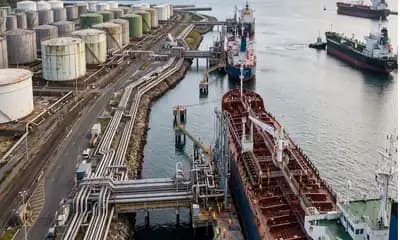
- A purpose-built jetty will support international cargoes.
- Buyers need certification, terminal access and delivery protections.
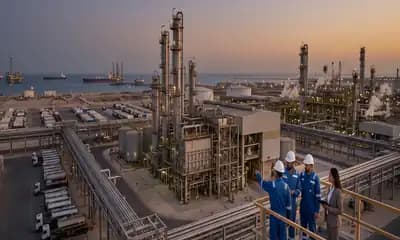
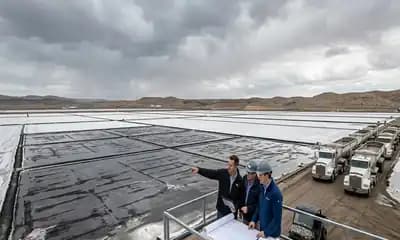
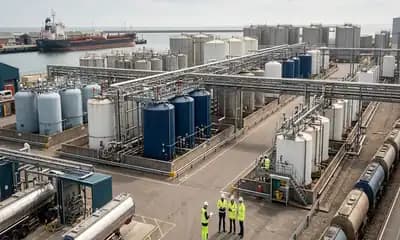
A large renewable hydrogen and ammonia facility in Saudi Arabia has entered commissioning after reaching the closing stages of construction. The integrated site includes 257 wind turbines with 1.6 GW of capacity, a 2.2 GW solar farm and a dedicated 4 GW transmission system. It is designed to export up to 1.2 million tonnes of green ammonia each year through a purpose-built jetty.
The move from construction to commissioning is an important step for buyers seeking large volumes of lower-emission ammonia. Commissioning involves testing power generation, hydrogen production, ammonia synthesis, storage and export systems. Each unit must operate reliably before the facility can supply regular commercial cargoes.
The planned capacity could create a new supply route for fertilizer producers, chemical companies, power generators and marine-fuel users. The site’s coastal location and dedicated loading infrastructure are intended to support international shipments rather than local sales alone.
Buyers should not treat nameplate capacity as immediately available volume. Initial production normally rises in stages as equipment is tested and operating problems are resolved. Early cargo schedules may change, making delivery flexibility necessary in the first supply agreements.
Request the Latest Ammonia Prices Data - Access Price Insights Now
Product certification will be another purchasing issue. Companies buying green ammonia need evidence covering renewable electricity, hydrogen production, emissions accounting and chain of custody. Contract terms should state the accepted certification system and define what happens if a cargo does not meet the required carbon-intensity level.
Transport arrangements will affect the delivered cost. Ammonia requires specialised storage, loading, vessels and receiving terminals. A buyer without suitable infrastructure may need to use a third-party terminal or convert existing equipment. These costs should be included when comparing green ammonia with conventional supply.
Long-term offtake agreements can help buyers secure volume from the new project, but the terms need protection against commissioning delays. Delivery start windows, ramp-up volumes, replacement supply and performance guarantees should be stated clearly. Buyers may also seek flexibility to move cargoes between fertilizer, fuel and industrial uses when demand changes.
The project’s scale could support greater international trade in renewable ammonia. Its effect on procurement will depend on operating reliability, certified emissions performance and the availability of shipping and receiving infrastructure. Buyers that prepare terminal access, qualification requirements and contract terms before full production begins will have a stronger position when export volumes become available.