Udeesha Tomar
AVP - Strategy and Solutions
Leading procurement research solutions across chemicals, materials, and food & beverages, with expertise in price forecasting and market analytics.
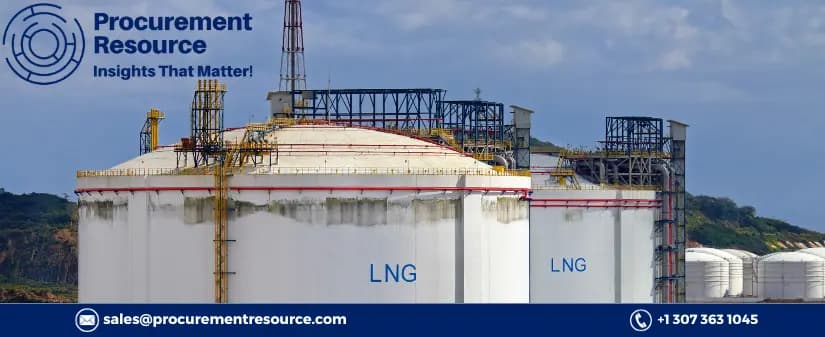
2023 witnesses a frail demand for winter restocking among northeast Asian buyers compared to the previous winter. Several factors have contributed to this subdued demand.
One key factor is the presence of higher inventories among buyers, which they had accumulated well in advance. This surplus of stored natural gas reduced the urgency for immediate winter restocking. Another influencing factor has been the anticipation of a milder winter than expected. Weather forecasts suggesting less severe cold temperatures have further diminished the need for immediate replenishment of gas supplies.
Request Access To The Latest Price Trends of LNG
Many buyers had proactively secured their winter gas cargoes through bilateral agreements earlier in the year when spot prices were relatively stable, hovering around the $10/million British thermal units (Btu) mark or even lower.
Furthermore, buyers' purchasing behavior has evolved to become more consistent throughout the year. This consistent buying approach has acted as a natural hedge against price volatility, rendering it unnecessary for buyers to enter the spot market and risk price fluctuations.
Even in the face of potential supply disruptions, such as strikes at Chevron's Western Australia gas facilities, most northeast Asian importers remained relatively calm and did not rush to secure replacement cargoes. They chose to wait until the issues were resolved. So far, only a few firms have entered the winter restocking market for December deliveries. These include Sinopec's trading arm Unipec, South Korean firm GS Energy, and Taiwan's CPC.
GS Energy managed to secure an early December cargo at a slight premium to northeast Asian spot LNG prices. Unipec, on the other hand, likely awarded multiple December cargoes at a slight premium as well. Meanwhile, CPC issued a limited participation tender for December deliveries. A noteworthy absence from the winter restocking market is Japan, despite having LNG inventories below the five-year average. Japan's decision can be attributed to planned LNG deliveries within the quarter and limited demand for gas-fired power generation due to the restart of a nuclear reactor.
Looking at the broader trend, the number of tenders issued for LNG purchases in the region has decreased compared to the previous year, with Japanese utilities issuing significantly fewer tenders. Furthermore, a lack of interest in October cargoes has led sellers to postpone their offers to November. This postponement could potentially impact prompt prices, although the expected uptick in buying interest is likely to be limited.
Read More About LNG Production Cost Reports - Get Free Sample Copy in PDF
According to the article by Procurement Resource, Winter restocking demand among northeast Asian buyers has been weaker due to factors like higher gas inventories, milder winter forecasts, and consistent year-round purchasing. Many secured gas earlier in the year at stable prices, reducing the need for immediate replenishment.
Even supply disruptions, like Chevron's strike, didn't trigger a rush for replacement cargoes. Only a few firms, including Sinopec's Unipec, GS Energy, and CPC, entered the winter restocking market for December deliveries. Notably absent is Japan, which has below-average LNG inventories, likely due to planned LNG deliveries and reduced gas-fired power demand due to nuclear reactor restarts. Overall, there's reduced LNG tender issuance in the region, with sellers postponing October offers to November.
AVP - Strategy and Solutions
Leading procurement research solutions across chemicals, materials, and food & beverages, with expertise in price forecasting and market analytics.


We are Just a Text away