China recently reduced its major short- and long-term interest rates for the first time in 11 months, a move typically expected to stimulate economic activity by making borrowing cheaper. The People's Bank of China recently announced a reduction in the seven-day reverse repo rate from 1.8% to 1.7%. However, this reduction in rates led to a surprisingly tepid reaction in the commodities market, particularly in iron ore and copper, which are closely linked to China's construction and manufacturing sectors.
While lower interest rates and other stimulus measures generally lead to increased physical demand for commodities like iron ore and copper, the current market response is heavily influenced by global market conditions and geopolitical uncertainties. For now, traders and investors are taking a cautious approach, focusing more on immediate pricing signals and stock levels than on broader economic stimulus measures in China.
Following the announcement, the prices for these commodities actually fell slightly rather than increasing.
The lukewarm response can be attributed to several factors. Firstly, the broader economic measures and the recent political plenum in China have not instilled confidence in the market regarding the government's efforts to rejuvenate the faltering economic growth, especially in the residential property sector. Additionally, the ongoing concerns about potential U.S. trade policies, particularly the risk of increased tariffs if Donald Trump wins the upcoming presidential election, are causing investors to remain cautious. These geopolitical and economic uncertainties seem to overshadow the potential benefits of the interest rate cuts.
Read More About Copper Production Cost Reports - Get Free Sample Copy in PDF
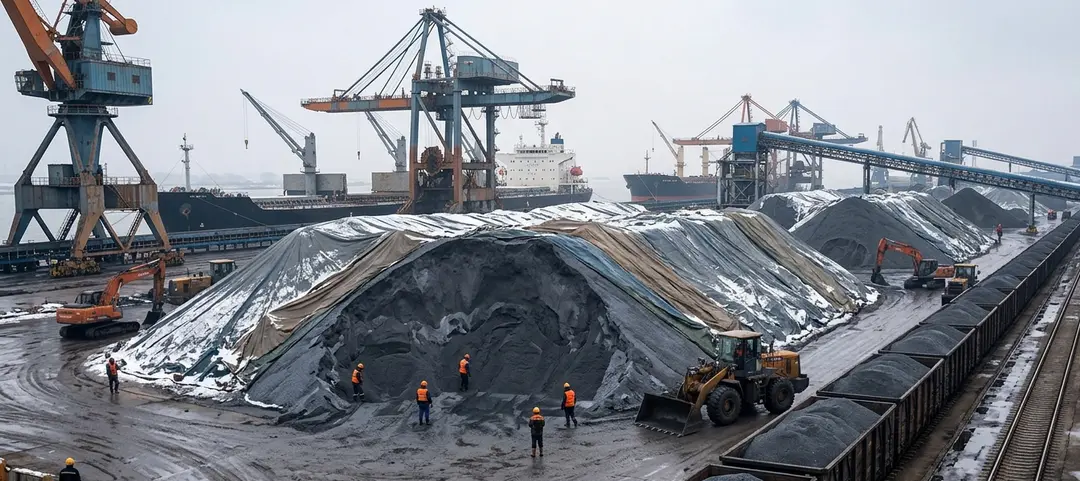
Moreover, despite the rate cuts, the market dynamics for iron ore and copper appear to be driven more by global pricing trends rather than domestic policy changes. China's iron ore imports have remained robust, indicating strong demand, but much of this has been directed towards replenishing stockpiles rather than immediate use in production, dampening any immediate impact on prices. Similarly, copper prices had reached a record high earlier in the year, leading to a shift from accumulation to selling, as traders took advantage of high prices rather than expanding inventories further.



.webp&w=1080&q=75)
.webp&w=1080&q=75)
.webp&w=1080&q=75)
.webp&w=1080&q=75)
.webp&w=1080&q=75)